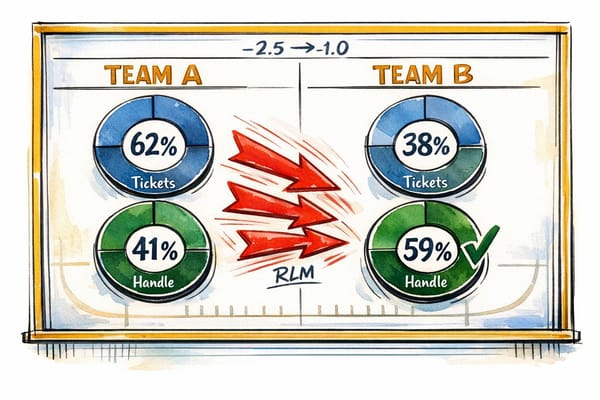
How to Read Public Betting Splits
Learn to read ticket % and handle % to spot sharp money, reverse line movement, and market inefficiencies for smarter sports bets.
Learn to read ticket % and handle % to spot sharp money, reverse line movement, and market inefficiencies for smarter sports bets.
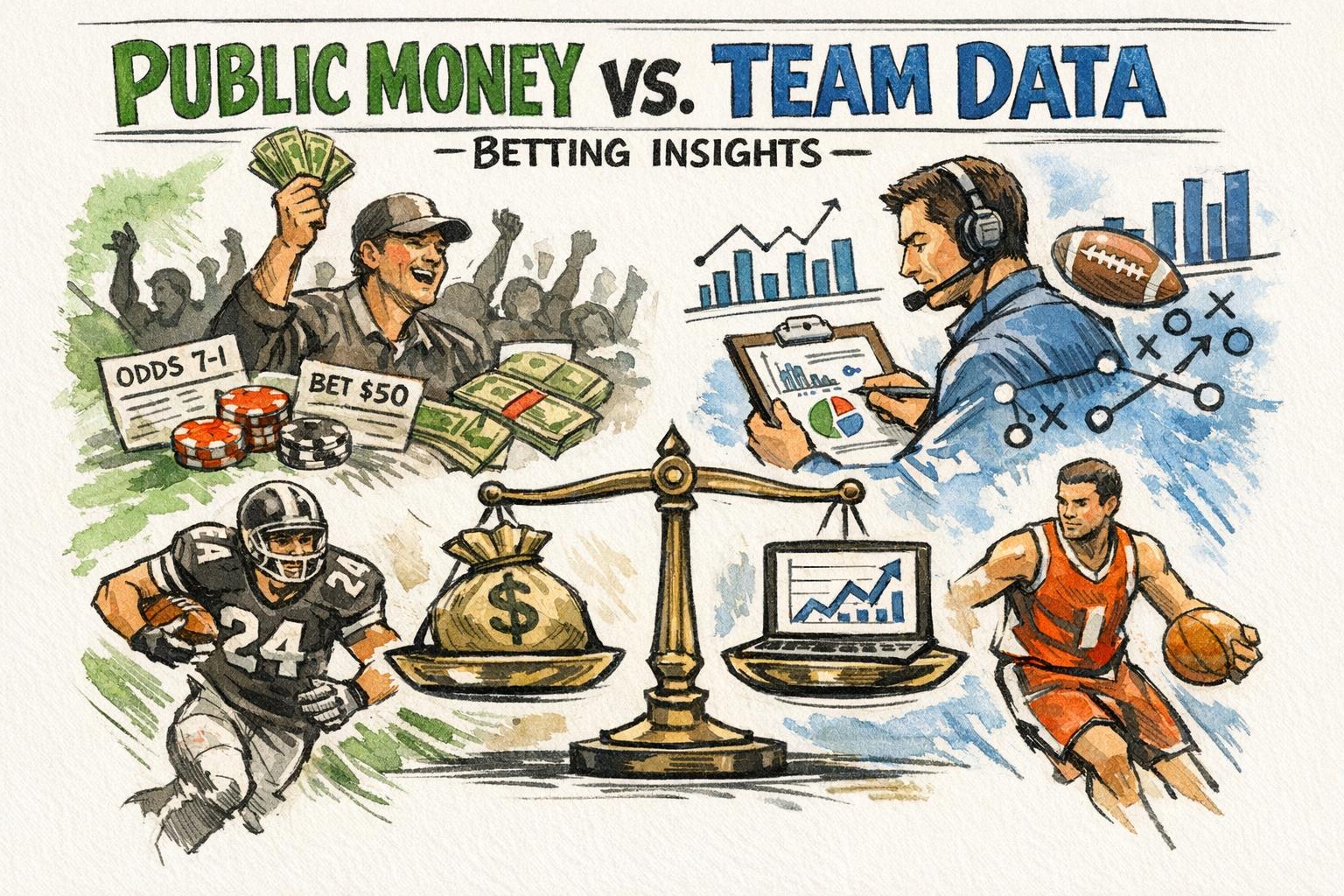
Use public betting splits as signals and confirm them with team stats and analytics to spot value, reverse line movement, and improve betting decisions.
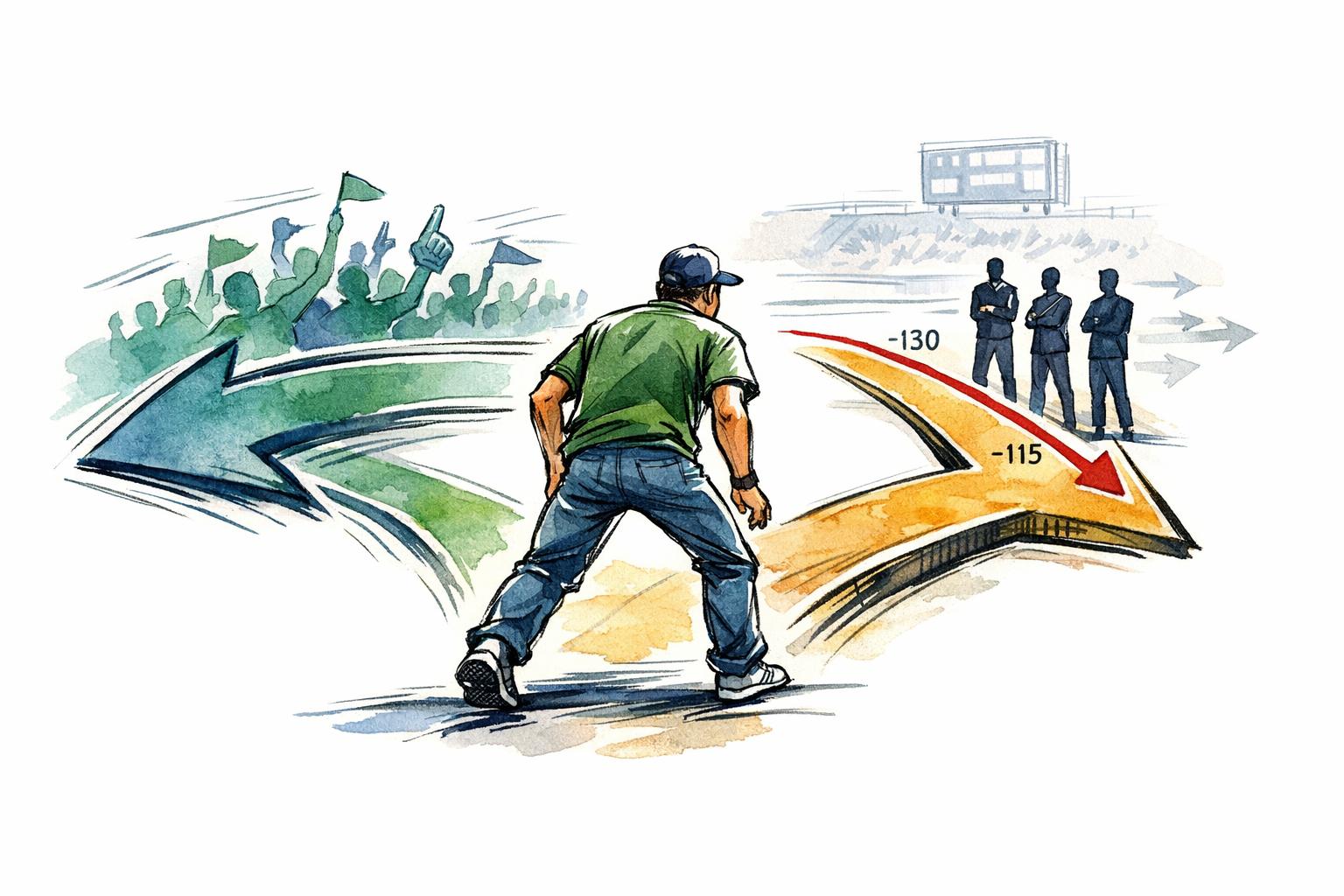
Bet with the crowd when sharps agree, but fade the public on marquee games when reverse line movement reveals sharp money.

High liquidity in prediction markets often magnifies crowd noise and can reduce accuracy despite higher trading.
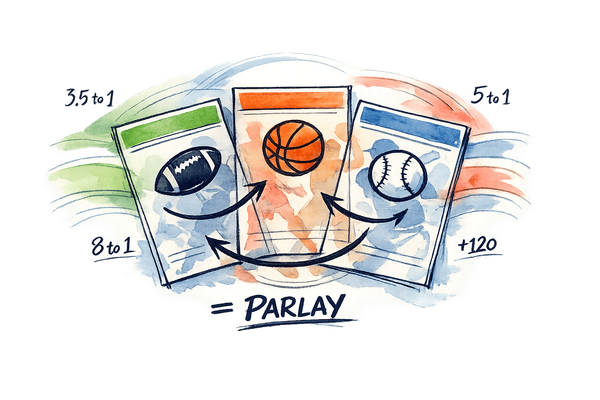
Use prediction market prices and simulations to spot mispriced sportsbook odds, build 2–3 leg correlated parlays, and manage correlation risk.
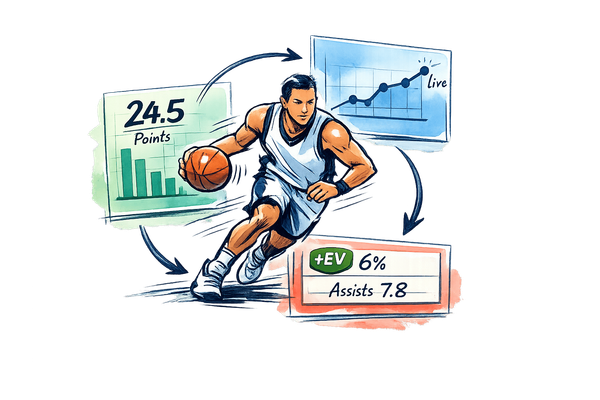
How AI uses data, machine learning, and real-time adjustments to project player props, find +EV bets, and deliver transparent, fast betting insights.
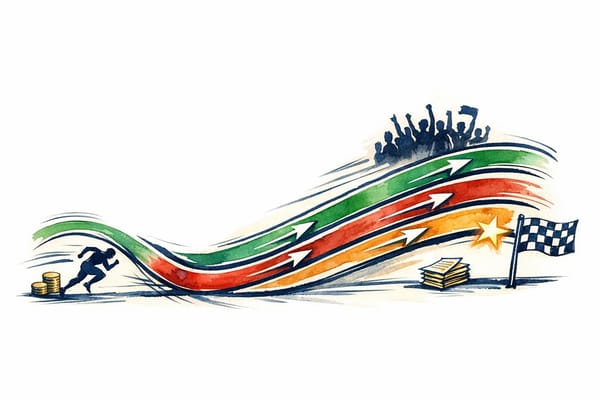
Early sharp bets and late public action create odds mispricings; track line shifts, compare sportsbooks, and use CLV and bet-to-dollar signals.

Compare machine learning and time series for sports betting—pre-game prediction vs live momentum, why calibration matters, and when to use a hybrid approach.

Overfitted sports models mislead bettors; early stopping and calibration protect bankrolls by preventing models from memorizing noise.
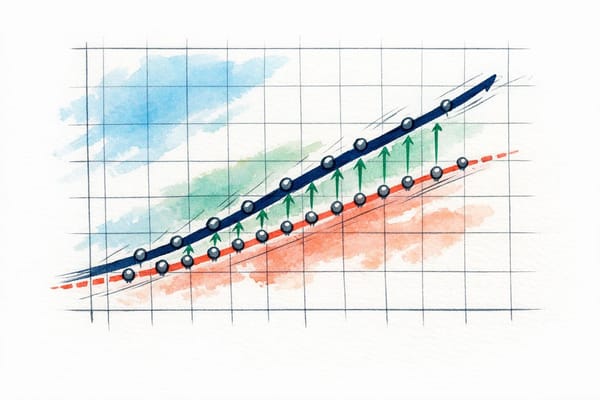
Use Closing Line Value (CLV) to separate skill from luck: calculate no‑vig closing odds, track CLV vs ROI, and test strategies over large samples.
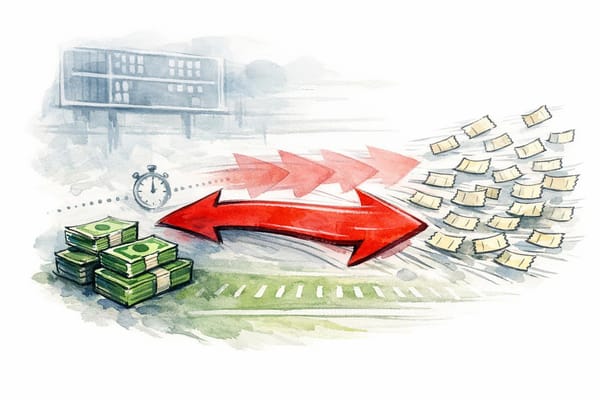
Why lines move against public bets, how ticket vs. money splits reveal sharp money, and how real-time data helps you spot RLM.
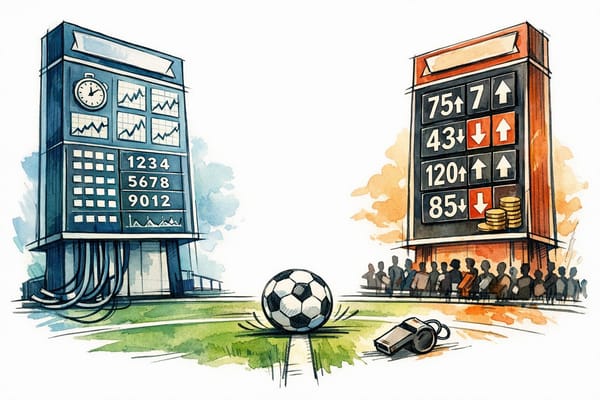
Compare sports data APIs and prediction markets: pros, cons, update speed, costs, and when to use each to find betting value.